Exhibition Reporting: Why Every Exhibit Ends with a Report
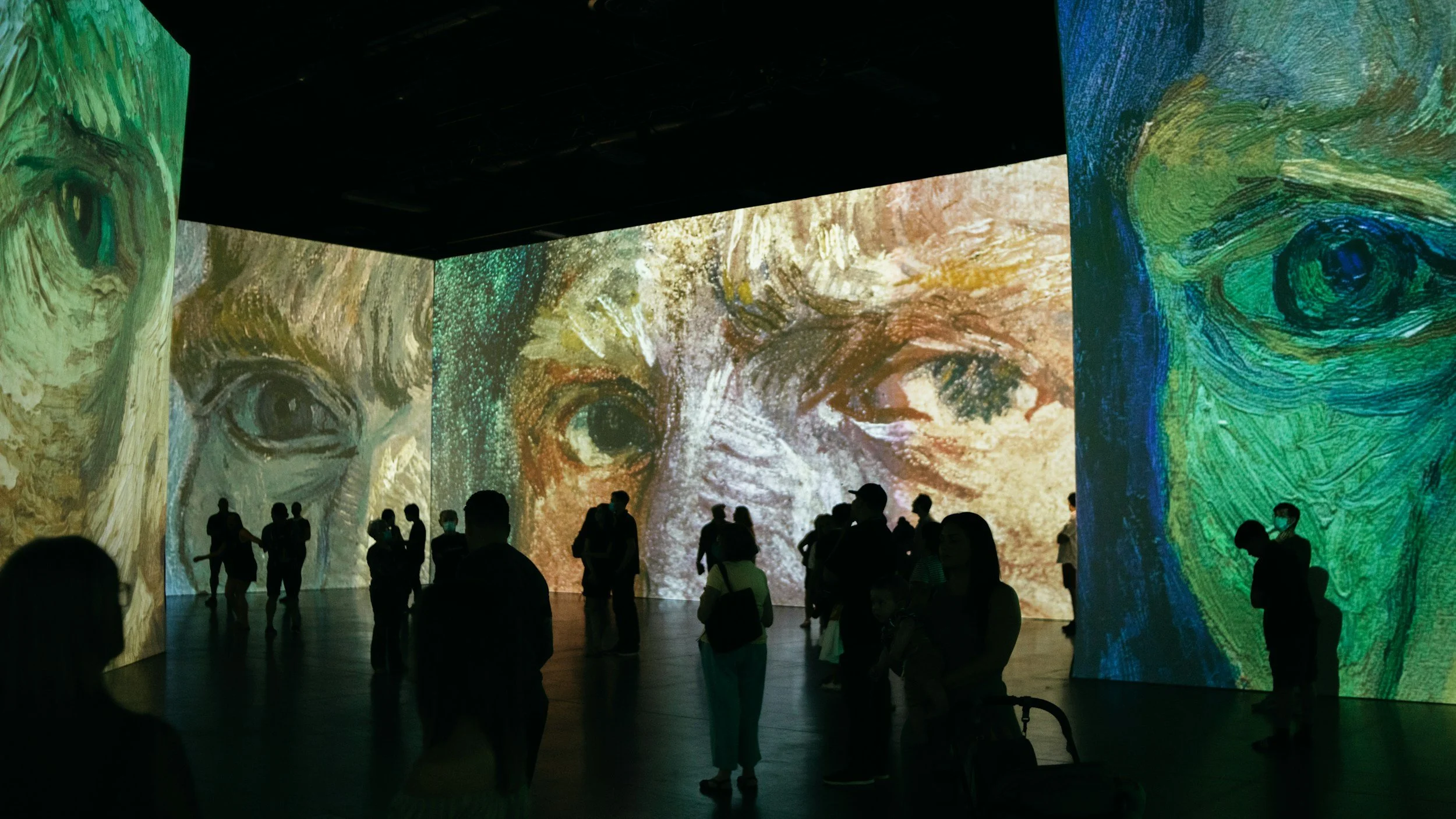
After the doors close and the artworks are packed away, one of the most valuable parts of any exhibition begins: reflection. An exhibition summative report is a comprehensive document that captures what worked, what didn’t, and what can be learned for future exhibits.
It’s both a record and a roadmap and allows galleries and museums to transform past experience into strategy for the future. The best exhibition summative reports will include details of actions taken and how these impacted business objectives, curatorial scholarship, and audience experience.
Thanks for reading! Subscribe for free to receive new posts and support my work.
It’s a chance to reflect, recognise the effort invested, and carry those insights forward.
What Is an Exhibition Summative Report?
At its core, a summative report is the story of an exhibition told through evidence. It documents the outcomes of a show once it has closed, combining qualitative reflections with quantitative data.
Ideally, it compares objectives to outcomes. Did the exhibition achieve the goals that were outlined at the beginning of the exhibition? Were there any particular challenges or surprises along the way? It’s a document of what happened, while also keeping a focus on how this information might be helpful for the future.
Most importantly, it’s a moment for several teams to come together and reflect. Throughout most of the exhibition, many teams may have been working in isolation, focused on their piece of the exhibition puzzle. But the summative report allows for the different teams to come together and see the impact of all the collective actions that were taken in a particular exhibition.
Why They Matter
Too often, when an exhibition closes, valuable knowledge disperses with the team or the season. A well-crafted summative report prevents that loss. It serves multiple purposes across the organisation:
Institutional learning. It turns lived experience into institutional knowledge grounded in data that informs future programming.
Accountability. It demonstrates outcomes and impact to funders, board members, and partners. It’s a way to check progress towards wider institutional goals and objectives.
Grant reporting. Many funding bodies require evaluation — having a structured report makes compliance easier.
Audience insight. It reveals who engaged with the exhibition, how they found it, and what resonated most.
Strategic planning. Insights from past exhibitions guide future curatorial, marketing, and operational decisions.
Without a summative report, an exhibition risks being remembered only anecdotally. With one, it becomes part of an evolving record of the institution’s growth.
What to Include
Every institution has its own rhythm and capacity, but a strong summative report typically includes these core sections:
Executive Summary – A concise overview of key outcomes, attendance, and highlights.
Exhibition Overview – The concept, objectives, participating artists, and curatorial intent.
Visitor Data & Engagement Metrics – Attendance figures, demographics, dwell time, and digital engagement.
Audience Research — Visitor perceptions, value for money, and feedback from free-text survey responses.
Marketing & Communications Analysis – Campaign reach, press coverage, and social media performance.
Operational Review – Budget performance, logistics, staffing, and partnership outcomes.
Evaluation & Impact – How effectively the exhibition met its objectives, supported by data and feedback.
Lessons Learned – Honest reflections and recommendations for improvement.
Appendices – Supporting material such as media clippings, visitor feedback, images, and survey results.
The best reports balance narrative with numbers. They don’t just state what happened but interpret why it mattered. This makes them valuable for both internal teams and external stakeholders.
As a rule of thumb, we like to make sure our exhibition summative reports answer the following questions…
Who attended?
Why did they come & what did they think about it?
What impact did this exhibit have on our institution? (financial, curatorial, reputation…)
How did this fit within our wider organisational objectives & strategy?
An Example to Explore
If you’d like to see what a finished report looks like in practice, you can view an example here.
It demonstrates how storytelling, data, and design can come together to communicate both the tangible and intangible outcomes of an exhibition.
Need Help Creating Your Own?
If your gallery, museum, or cultural organisation would like support in developing an effective post-exhibition report, The Arts Analyst specialises in helping institutions capture and communicate their impact.
We work with clients to design templates, collect data, and craft reports that satisfy funders, engage boards, and strengthen strategic planning. Learn more or get in touch here.
Conclusion
A summative report ensures the story of impact, insight, and growth is recorded, understood, and shared.
When galleries and museums take time to reflect with intention, they don’t just document the past, they invest in the future.